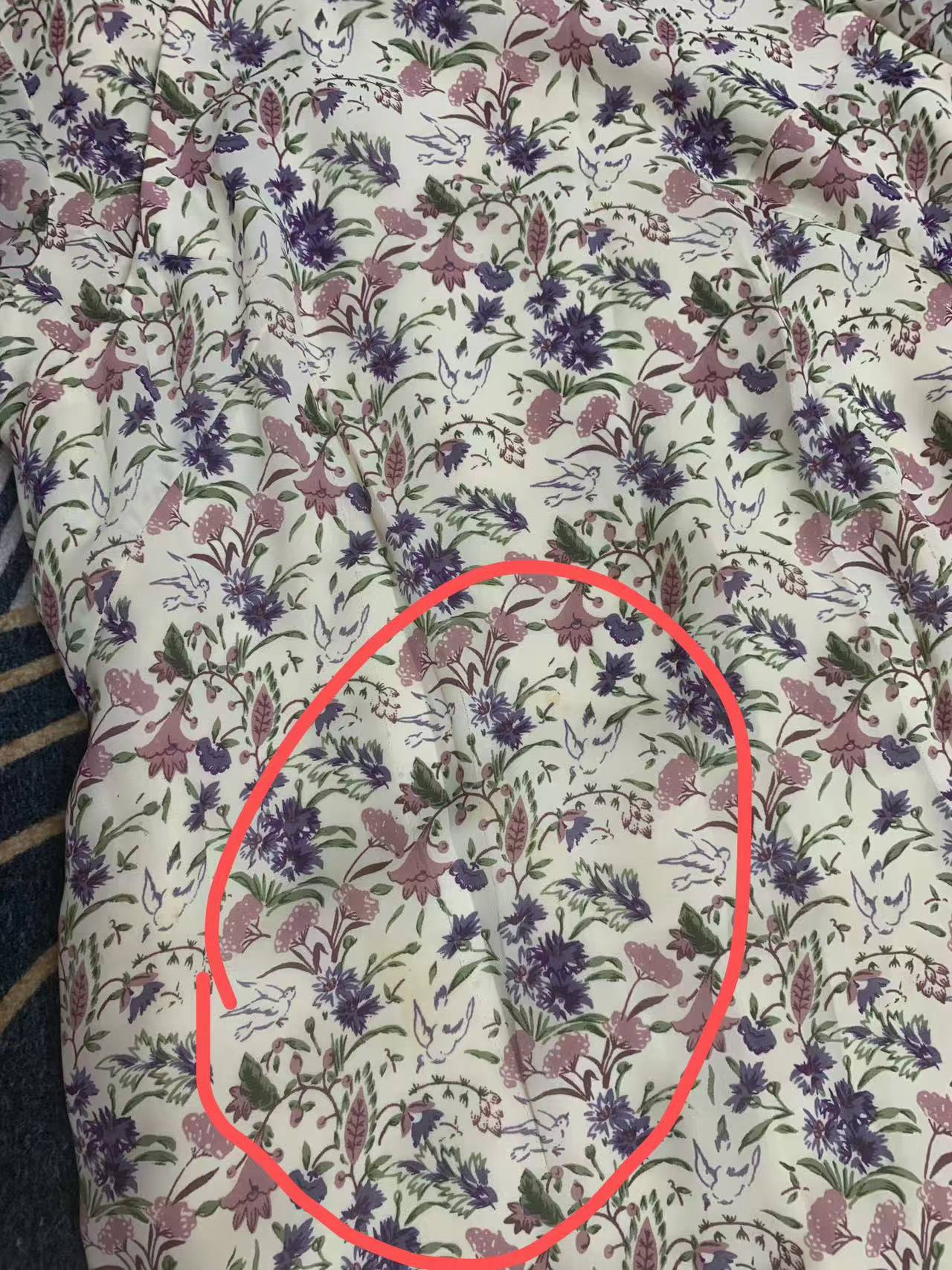
桃之夭夭:上世纪五十年代法式碎花台湾产古董旗袍
衣服尺寸:
胸围/腰围/臀围:88/76/94 厘米
衣长:110 厘米
细节描述:
这件旗袍的底布是素雅的米白色,上面铺满了密集的碎花图案。花朵以紫色和粉色为主,辅以绿色的枝叶,整体风格清新雅致,带有浓郁的田园气息。图案设计细腻,花朵和枝叶的线条流畅,色彩搭配和谐,展现出一种自然的美感。
古董衣的故事
这件上世纪五十年代台湾产的古董旗袍,不仅是一件衣物,更是一段历史的见证。五十年代的台湾,正处于社会变迁与文化交融的时期,旗袍作为当时的主要女性服饰,承载着丰富的文化内涵。
旗袍上的碎花图案,仿佛是那个时代的缩影。紫色与粉色的花朵,象征着女性的柔美与坚韧,绿色的枝叶则寓意着生命的蓬勃与希望。这些图案不仅美观,更蕴含着深厚的文化寓意,正如《诗经》中所言:“桃之夭夭,灼灼其华”,表达了对美好生活的向往与追求。
这件旗袍的稀缺性在于其独特的艺术风格和精湛的工艺。五十年代的台湾,旗袍制作工艺尚未完全机械化,每一件旗袍都是手工缝制,凝聚了匠人的心血与智慧。如今,这样的古董旗袍已极为罕见,每一件都堪称艺术品。
正如张爱玲在《更衣记》中所描述的:“旗袍的紧身设计,不仅展现了女性的曲线美,更体现了东方女性的含蓄与优雅。”这件旗袍正是这种美学理念的完美体现,其修身的剪裁与精致的图案,展现了五十年代台湾女性的独特魅力。
这件旗袍不仅是服饰,更是一件历史的遗珍,承载着那个时代的文化记忆与审美追求。它的存在,让我们得以窥见五十年代台湾的社会风貌与女性风采,具有极高的收藏与研究价值。
Young Peach Blossoms: A 1950s French Floral Print Antique Qipao from Taiwan
"The peach tree is young and elegant, brilliant are its flowers." — The Classic of Poetry (Shijing)
Measurements / Size Guide:
Bust / Waist / Hips: 88/76/94 cm
Total Length: 110 cm
Detailed Description:
The base of this qipao is a simple and elegant off-white, covered with a dense pattern of "Petite Fleur" or ditsy floral prints. Dominated by hues of violet and rose pink, complemented by tender green foliage, the overall style is fresh and refined, carrying a strong pastoral charm. The pattern design is delicate, with fluid lines for the petals and leaves, creating a harmonious and natural aesthetic.
🕰️ Antique Narrative: A Witness to Cultural Synthesis
This antique qipao, produced in Taiwan during the 1950s, is more than a garment; it is a witness to a pivotal decade. The 1950s in Taiwan was a period of profound social change and cultural fusion. During this time, the qipao remained the primary attire for women, carrying rich cultural connotations of both tradition and the burgeoning influence of Western fashion.
-
A Tapestry of the Era: The small floral prints act as a microcosm of that time. While the qipao silhouette remained traditionally Eastern, the "French Floral" (碎花) aesthetic reflected the influence of global romanticism. The violet and pink blossoms symbolize feminine softness and resilience, while the green leaves represent the vigor and hope of a society in transition.
-
The Beauty of Rarity: The scarcity of this piece lies in its unique artistic style and the transition of craftsmanship. In 1950s Taiwan, qipao production was not yet fully mechanized. Each garment was hand-finished, concentrating the blood, sweat, and wisdom of master tailors. Today, such antique pieces in pristine condition are extremely rare, with each surviving garment regarded as a wearable work of art.
🎨 Aesthetic Style and Scholarly Interpretation
As Eileen Chang famously noted in Chronicle of Changing Clothes: "The tight-fitting design of the qipao not only showcases the curves of a woman but also embodies the reserve and elegance of the Oriental woman." This 1950s piece is a perfect manifestation of this aesthetic philosophy.
-
Pastoral Romanticism vs. Eastern Form: The "Ditsy Floral" pattern is a hallmark of mid-century Western pastoral style, yet when applied to the structured, high-collared silhouette of the qipao, it creates a unique "Indo-Pacific" romanticism. It strips away the heavy formality often associated with older brocade qipaos, replacing it with a light, "girl-next-door" sophistication.
-
Historical Specimen: Beyond its beauty, this qipao serves as a historical relic. It allows us to glimpse the social landscape and female grace of 1950s Taiwan. It holds immense value for collectors and scholars researching the evolution of textile printing and the localization of global fashion trends in the Sinosphere.