深圳溯源
无法加载取货服务可用情况
衣服尺寸:
胸围/腰围/臀围/衣长:92/74/98/104 厘米
细节描述:
这件上世纪六十年代的古董旗袍,宛如一位从旧时光中走出的闺秀,静默伫立,却自有万千风情。它并非以繁复的刺绣或艳丽的印花夺人眼球,而是以一种近乎极致的“素”,诠释了那个时代东西方美学交融的最高境界。
【面料与工艺:无声的奢华】
其衣身选用的是当年极为罕见的意大利进口面料。这种面料质地细腻如脂,光泽温润含蓄,触感仿佛初春晨露滑过肌肤。在六十年代的香港,能得此等洋料已是身份的象征,而匠人更以鬼斧神工的立体剪裁,将西式的省道技术完美融入中式的平面结构中。你看那领口、袖口及侧开衩处,均以极细的“线香绲”滚边,这种工艺要求匠人屏息凝神,指尖力道需如游丝般精准,稍有不慎便会前功尽弃。这不仅是技艺的展示,更是一种对完美的虔诚修行。
【图案与意境:大音希声】
若问衣上图案,答案竟是“无”。然而,这正是其最高妙之处。《道德经》云:“大音希声,大象无形。”这件旗袍摒弃了所有具象的纹样,仅凭那一抹淡雅的浅粉,便勾勒出“清水出芙蓉,天然去雕饰”的意境。它像是一张留白的宣纸,等待着穿着者用自身的气质去填补。那珍珠项链的点缀,并非喧宾夺主,而是如画龙点睛般,呼应了张爱玲笔下那种“低到尘埃里开出花来”的细腻情致——那是一种内敛的高贵,不张扬,却在举手投足间流露出令人心折的优雅。
【历史与稀缺:流动的史诗】
这不仅是一件衣物,更是一段凝固的历史。它诞生于冷战时期香港作为远东时尚枢纽的黄金年代。彼时,西方设计师带着欧洲的面料与剪裁理念东来,而本地老派裁缝则以坚守百年的传统技艺加以融合,创造出独一无二的“海派”或“港式”旗袍风格。如今,这类作品已属凤毛麟角。因其制作周期漫长、成本高昂,加之岁月侵蚀,能完好保存至今者寥寥无几。正如《礼记·深衣》所言:“古者深衣,盖有制度,以应规、矩、绳、权、衡。”此袍虽无纹饰,却处处合乎法度,针针线线皆是那个时代工匠精神的见证。
拥有它,便是拥有了一段可以触摸的时光,一份穿越半个世纪依然鲜活的艺术生命。
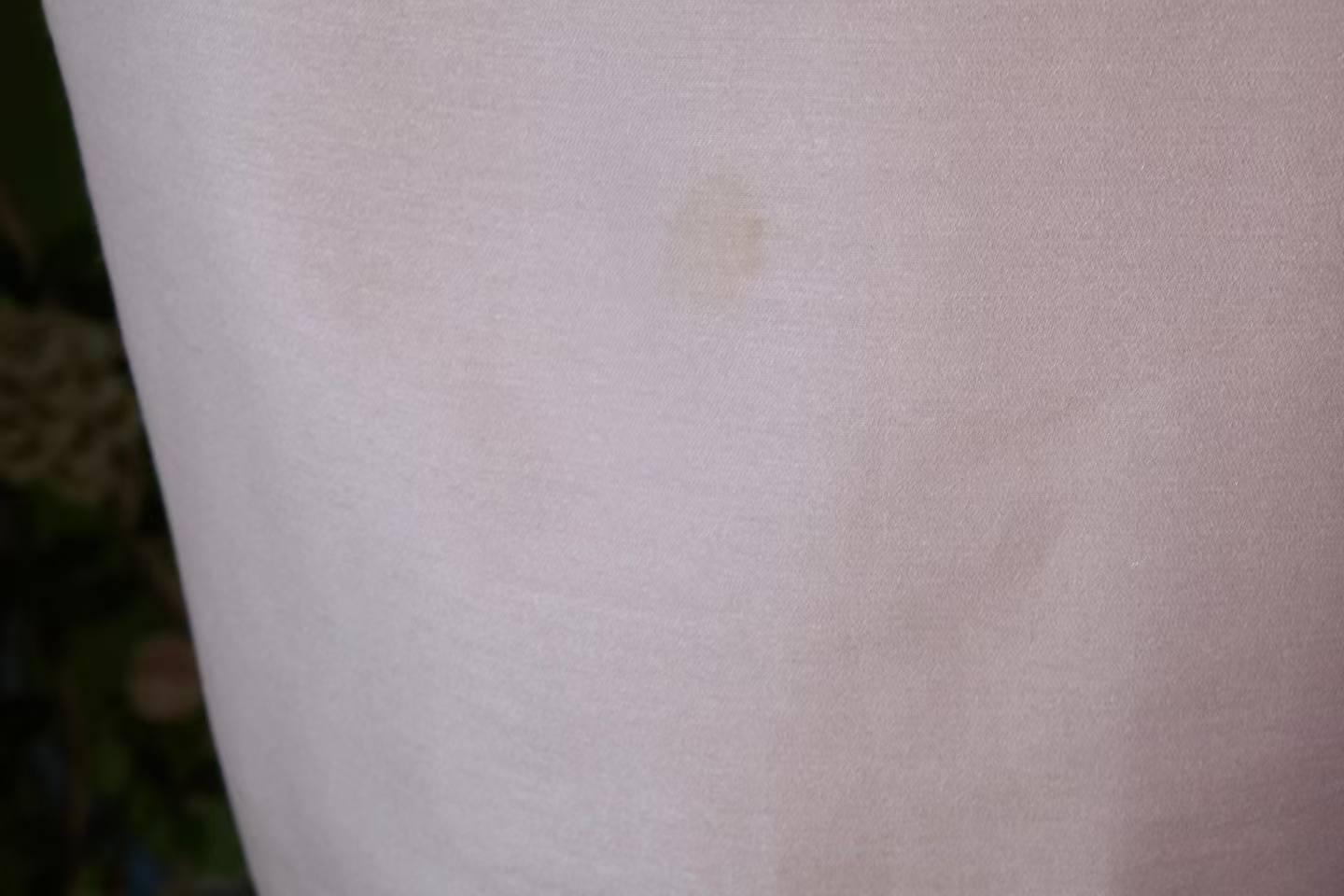
注释:微瑕特价
Measurements / Size Guide:
Bust / Waist / Hips / Total Length: 92/74/98/104 cm
Detailed Description:
This antique qipao from the 1960s is like a lady of a gentle household stepping out of old times, standing in silence, yet naturally possessing boundless elegance. Rather than catching the eye with complex embroidery or brilliant prints, it interprets the highest realm of the fusion between Eastern and Western aesthetics from that era through a near-extreme "simplicity."
The body of the garment utilizes an imported Italian fabric that was extremely rare in those days. This fabric is delicate as lard in texture, warm and restrained in luster, and touches the skin as if early spring morning dew were sliding across it. In 1960s Hong Kong, obtaining such foreign material was already a symbol of status, and the artisans, with their supernatural three-dimensional tailoring, perfectly integrated Western darting techniques (shengdao) into the Eastern flat construction. Look at the collar, cuffs, and side slits—all are trimmed with ultra-fine "incense piping" (xianxiang gun). This craftsmanship requires the artisan to hold their breath and concentrate, with the pressure of the fingertips needing to be as precise as a gossamer thread; the slightest oversight would ruin the entire effort. This is not merely a display of skill, but a devout cultivation toward perfection.
If one asks about the pattern on the garment, the answer is unexpectedly "none." However, this is precisely its most ingenious aspect. The Dao De Jing states: "The greatest sound is scarce in sound; the greatest image is without form." This qipao discards all concrete motifs, relying solely on that single shade of elegant pale pink to outline an artistic conception of "a lotus emerging from clear water, naturally free from artificial carving." It resembles a piece of blank Xuan paper, waiting for the wearer to fill it with their own temperament. The adornment of the pearl necklace is not a case of the guest eclipsing the host, but rather acts like adding the finishing touch to a dragon, echoing that delicate emotion in Eileen Chang's writings of "humbling oneself down into the dust, and blooming a flower from it"—that is an inward nobility, unostentatious, yet exuding a heart-striking elegance in every movement.
This is not merely a piece of clothing, but a frozen segment of history. It was born during the golden age when Hong Kong served as the fashion hub of the Far East during the Cold War period. At that time, Western designers came east bringing European fabrics and tailoring concepts, while local old-school tailors integrated them using traditional techniques guarded for a hundred years, creating a unique "Shanghai-style" (Haipai) or "Hong Kong-style" qipao aesthetic. Today, such works have become few and far between. Due to their lengthy production cycles and exorbitant costs, compounded by the erosion of time, those that can be perfectly preserved down to the present day are very few. As the Book of Rites · Shenyi states: "In ancient times, the deep robe (shenyi) had its rules and systems, so as to correspond to the compass, the square, the line, the weight, and the balance." Although this robe lacks decoration, it conforms to the rules everywhere; every single needle and thread is a testament to the artisan spirit of that era.
Possessing it means possessing a segment of touchable time, a vibrant artistic life that remains fresh even after crossing half a century.
Note: As-Is Special Offer